Intro
Parents are increasingly turning to search engines to find high-quality, developmentally appropriate toys that aid their children’s growth. Whether you specialize in STEM kits, Montessori tools, or hands-on educational games, a strong SEO strategy ensures your products show up when parents, teachers, and gift-buyers are actively looking.
With Ranktracker’s SEO platform, your store can improve visibility, outrank mass retailers, and become the go-to brand for learning-focused toys online.
Why SEO Matters for Educational Toy Brands
When a parent Googles “best STEM toys for 5-year-olds” or “Montessori toys for toddlers,” your store needs to appear at the top of the results. SEO allows you to consistently reach high-intent customers and build long-term authority in a competitive niche.
Benefits of SEO for educational toy stores:
-
Capture evergreen and seasonal demand (birthdays, holidays, school starts)
-
Attract parents, educators, and conscious gift-buyers organically
-
Reduce dependency on paid ads while building trust through informative content
-
Target niche age-based and learning-style keywords
-
Drive long-term revenue growth with compounding SEO efforts
Ranktracker’s Rank Tracker helps you monitor your visibility for terms like “STEM toys for preschoolers” and “tactile learning games for kids.”
Keyword Research: Speak the Language of Engaged Parents
To win search traffic, you need to target keywords that reflect what buyers are actually searching for—often specific, age-based, and intent-driven.
Use Ranktracker’s Keyword Finder to find terms like:
-
“best Montessori toys for 3-year-olds”
-
“STEM toys for elementary school”
-
“educational toys for special needs children”
-
“learning toys for toddlers”
-
“math games for 6-year-olds”
-
“science kits for 10-year-olds”
-
“toys that teach problem solving”
-
“wooden alphabet puzzle for kids”
You can also uncover rising trends based on educational philosophies (Waldorf, Reggio Emilia), subject areas (math, science, reading), and learning goals (fine motor skills, spatial awareness).
On-Page SEO: Optimize Every Product and Category Page
Detailed, keyword-optimized product pages help search engines understand your content—and help parents make informed decisions.
Best practices:
-
Meta titles like “STEM Science Lab Kit for Ages 8+ – Hands-On Learning Fun”
-
Descriptions that include features, learning benefits, and age suitability
-
H1 headers that describe both product type and learning objective
-
Use bullet points: “Encourages early math skills,” “Non-toxic materials,” “Aligned with Montessori principles”
-
Add FAQs addressing common buyer concerns: “Is this safe for a 3-year-old?”
-
Apply structured data for price, rating, age, material, and availability
Use Ranktracker’s SERP Simulator to preview and improve how your educational toys appear in Google results.
Content Marketing: Build Authority as a Learning Resource
Parents want to buy from brands that educate—not just sell. Create a resource hub to become a trusted advisor.
Content ideas:
-
“Top 10 Educational Toys by Age Group (1–10 Years)”
-
“STEM vs Montessori: Which Learning Toys Are Right for Your Child?”
-
“The Benefits of Tactile Learning in Early Childhood”
-
“How to Build a Learning Toy Rotation at Home”
-
“Holiday Gift Guides for Learning Toys”
-
“Best Toys for Early Literacy Development”
Cluster your content around age levels, learning styles, special needs, and educational philosophies. Use Ranktracker’s AI Article Writer to generate SEO-optimized blog posts efficiently.
Technical SEO: Build a Fast, Trustworthy Shopping Experience
Educational toy buyers often make emotional decisions—but they expect smooth UX and reliable information.
Key elements:
-
Fast-loading product pages, even during holiday surges
-
Mobile-first design for parents shopping on phones
-
Clear navigation by age, subject, or toy type
-
Secure HTTPS checkout
-
Schema markup for products, FAQs, and reviews
Run Ranktracker’s Web Audit regularly to maintain a technically sound foundation.
Visual SEO: Show the Learning Experience in Action
High-quality images and videos help parents visualize how your toys promote development and engagement.
Visual SEO tactics:
-
Use descriptive filenames like “math-counting-beads-montessori.jpg”
-
Optimize all alt text with keywords and educational context
-
Include photos of children using the toy (with parental consent)
-
Add short demo videos showing how toys work or how they’re used in learning routines
-
Compress images for speed without losing quality
Ranktracker’s Web Audit helps identify visual content that’s missing metadata or slowing down your site.
Reviews & Trust Signals: Build Confidence in Your Products
Trust is essential when parents shop for learning tools. SEO-optimized reputation building boosts rankings and conversions.
Build social proof with:
-
Verified buyer reviews that highlight how the toy supports learning
-
Testimonials from teachers or therapists
-
Case studies or before/after development stories
-
Clear returns policy and satisfaction guarantee
-
Third-party certifications (e.g. safety, educational standards)
Monitor your brand’s online presence with Ranktracker’s Reputation Management tools.
Backlink Building: Become an Authority in Parenting & Education Circles
Backlinks from trusted parenting and educational websites help you earn domain authority and improve keyword rankings.
Outreach opportunities:
-
Guest posts on parenting blogs or education forums
-
Collaborations with homeschooling influencers or learning-focused YouTubers
-
Features in “Best Learning Toys” lists on third-party review sites
-
Resource guides for teachers or early childhood educators
-
Directory submissions to Montessori, STEM, or special education resources
Track your backlinks using Ranktracker’s Backlink Checker and monitor gains via the Backlink Monitor.
Local & Seasonal SEO: Target Smart and Ahead of the Curve
Even if your business is online, location-based and seasonal SEO can drive spikes in traffic and sales.
Local tactics:
-
“Montessori toys UK delivery” or “STEM kits Canada shipping”
-
Translate pages for multilingual audiences (e.g. Spanish, German, French)
-
Geo-targeted content: “Best learning toys in New York”
Seasonal tactics:
-
Create gift guides early: “Top Educational Christmas Toys 2025”
-
Build “Back to School” learning toy collections
-
Link from evergreen blogs to seasonal pages to transfer link equity
Ranktracker’s SERP Checker helps you compare performance in specific regions and spot seasonal trends.
Educational Toy SEO Checklist
-
Keyword-optimized product pages with learning benefits and age clarity
-
Metadata and schema for all key pages and products
-
Structured content strategy targeting parents, teachers, and gift-buyers
-
Fast, mobile-friendly site architecture with clear category navigation
-
High-quality visuals with educational context and alt attributes
-
Trust-building reviews, testimonials, and return policies
-
Authoritative backlinks from parenting and education-focused platforms
-
Localized and seasonal content to capture peak interest periods
-
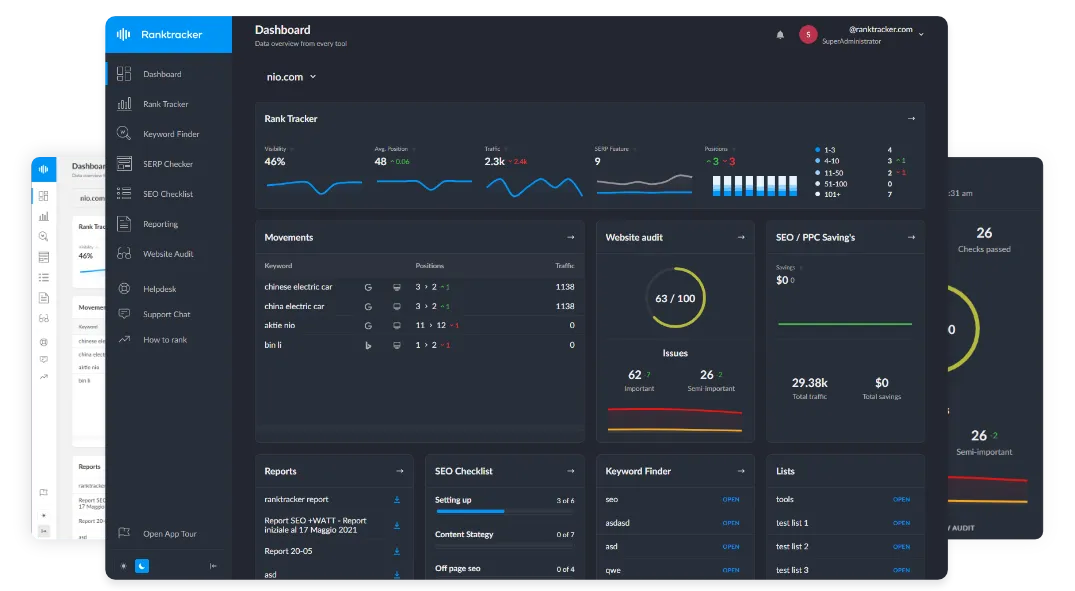
Full tracking and optimization using Ranktracker’s unified dashboard
Conclusion
Educational toy SEO is about more than just keywords—it’s about creating trust, answering parents’ questions, and clearly demonstrating how your products help children grow. With Ranktracker’s complete suite of SEO tools, your store can attract the right audience, boost organic visibility, and become a leader in the children’s learning space.