Intro
Search Engine Optimization (SEO) has become a usual part of every team or business. Brands have long understood the value of good search engine optimization. They are investing huge resources in developing this area. SEO has always been about figuring out how to make websites rank higher on search engines. But lately, things have been changing fast and a lot of it has to do with AI. From automating boring tasks to helping teams crunch data faster, AI is really shaking up how SEO teams do their jobs, and it is worth telling about it.
Evolution of SEO with the Arrival of AI
It is not without reason that SEO is singled out as a separate area, as it is an important area of development and a very time-consuming process. Before AI emerged, it had involved manual keyword research, content creation, and technical audits. All tasks required significant time and expertise. As technology advanced, automation tools took the whole workflow to a new level.
AI (with the help of LLMs and natural language processing) now helps computers analyze tons of info, spot trends, and make smart choices. This shift has made AI a core component of modern SEO strategies and linkbuilding automation. It allows teams to automate complex tasks, improve accuracy, and respond rapidly to market changes.
How AI Is Transforming SEO Teams
New opportunities for AI tool application and integration are constantly discovered (thanks to the limitless nature of AI). All SEO tasks and areas have been transformed and improved, specifically through a certain level of automation. AI allows SEO teams to move away from manual work and create tasks for AI tools, delegating a significant amount of the work to them. This process may seem complicated, but it's not: most AI tools operate through prompts written in plain language. Users describe tasks, and the AI assistant carries them out. It's no coincidence that such tools are sometimes called AI assistants. They perform a significant portion of work quickly, efficiently, and automatically, replacing a full-time worker. The opportunity of scheduled tasks makes these AI instruments such a promising innovation. Such platforms can operate according to a pre-set schedule and require no additional human supervision. AI platforms typically have no strict functional boundaries. They can perform a variety of tasks, from creating content to sending messages.
Content Creation
AI-powered tools can generate articles, meta titles and descriptions, and SEO-friendly content. People still need to check the work to make sure it's good and makes sense, but AI helps speed things up. That way, a person becomes not an executor but a supervisor.
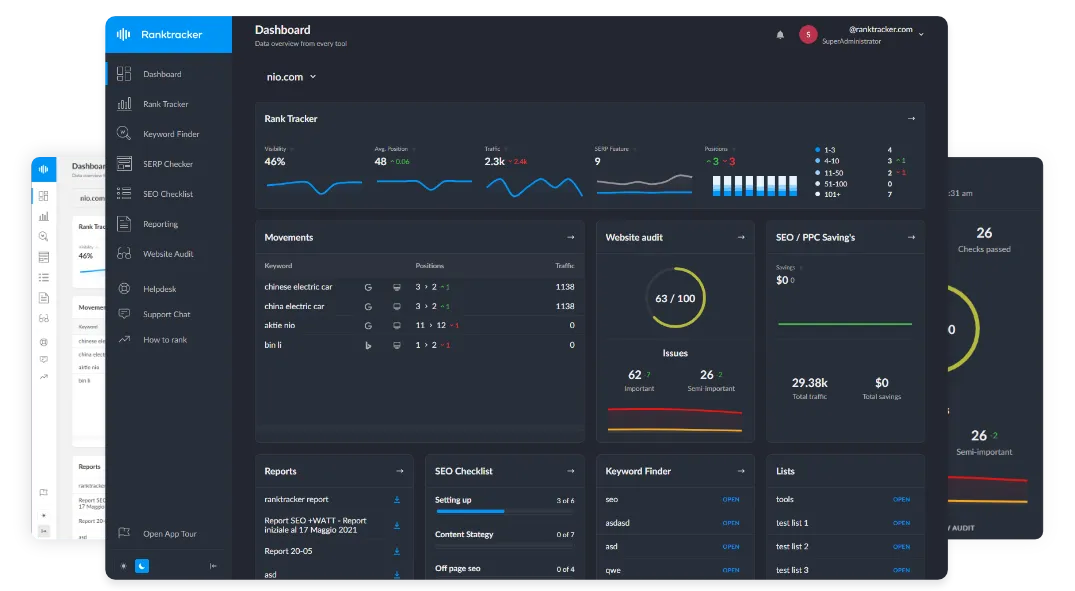
Website Analysis and Audits
AI tools check websites according to your schedule and look for things like tech troubles, broken links, and errors that harm search results. They give you info or tips and tell you what to do, so your site stays in good shape without you having to check everything yourself.
Link Building and Outreach
AI tools can find good and suitable websites for backlinks, check how trustworthy they are, and even handle outreach automatically. Innovative AI assistants can send personalized messages and negotiate prices and terms. It takes into account the specific characteristics of each platform and adapts the style and tone of messages to certain criteria for successful communication. This approach makes getting links easier and more focused.
Contact Details Gathering
To successfully post SEO-texts and achieve mutually beneficial collaborations, a SEO specialist must have extensive contacts and useful networks. However, AI simplifies this process as well: now, with the help of AI tools, you can automatically collect relevant contact information without wasting your time. Such a method of data scraping makes sure that you have necessary contacts, and you haven’t wasted a whole day on scrolling and copy-pasting.
How AI Is Shifting Things Up for Teams
Since the advent of AI, we are moving further and further away from manual and time-consuming workflows. Now, we have strategic, value-driven activities. Take backlinks, for example. Instead of spending hours checking them one by one, specialists can now read reports made by AI and quickly figure out what to do next. Because of this shift, teams can be more flexible, and people can focus on what they're really good at. AI Agents, e.g., Nextbrowser, take care of the boring data stuff and let the team put their energy into being creative, planning things out, and making smart choices.
Pros and Cons of AI Tool Integration
As with any new technology, we still have to fully realize the potential of AI tools and understand all the nuances and facets of their use. However, there are already some things that are obvious to any user: AI saves time and makes boring and monotonous tasks a matter of minutes. So, let’s start with pros:
- User friendly technology: The majority of platforms are easy to use and implement into your everyday workflow;
- Does more with little resources: When you automate simple tasks, your team can tackle bigger things without hiring more people.
- Fast responses: 24/7 monitoring enables immediate automatic actions when something is wrong. No need to wait until your working day begins.
- Makes smarter choices: Data-based decisions and better forecasting are your key to success.
Here’re the cons of AI tools:
- Ethics: When content and outreach are created automatically, it makes you wonder about how original it is and how open we need to be about it. Make sure you use reliable instruments created by teams with relevant experience.
- Adaptation period and learning: Teams need to acquire new skills to operate and implement AI tools. But when the learning process finishes, the team will automate the majority of tasks and have additional time for development.
Conclusion
AI tools have entirely changed the way how SEO and marketing teams work. They help by performing common tasks, giving useful data, and boosting team’s efficiency. By using AI platforms, teams can spend more time making plans and giving real value to customers. If teams want to stay ahead, they need to start using AI tools, keep up with changes, and constantly learn new things. SEO's future will depend on AI, and the ones who get on board fast will be the leaders.